Name the printing
Game, set, collector number, language and finish narrow the identity.
Six games · one Stoke-on-Trent counter
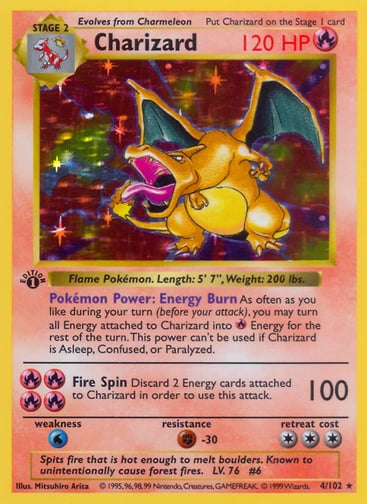
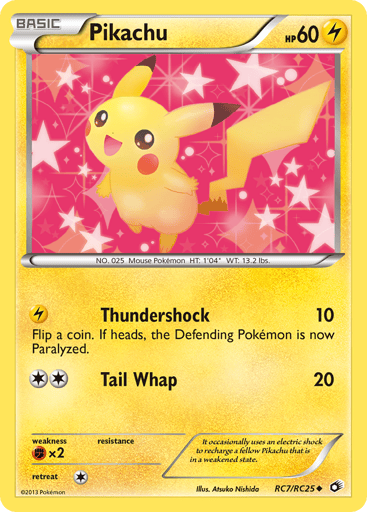
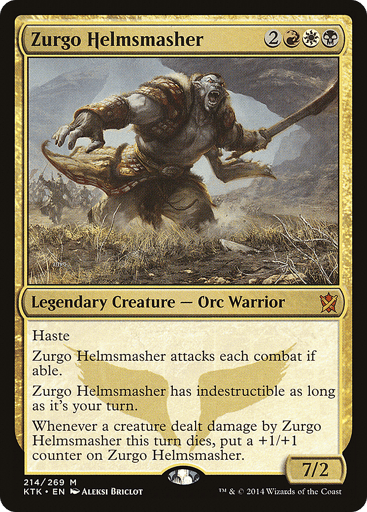
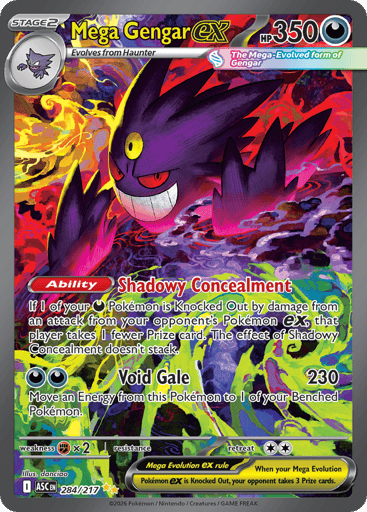
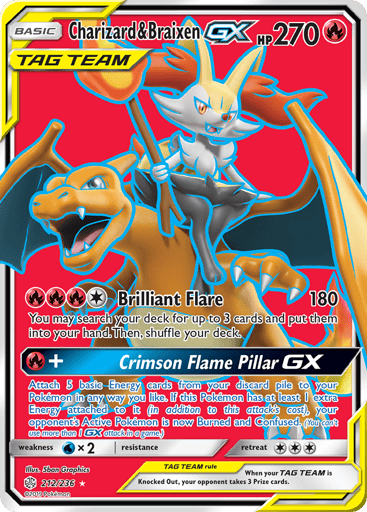
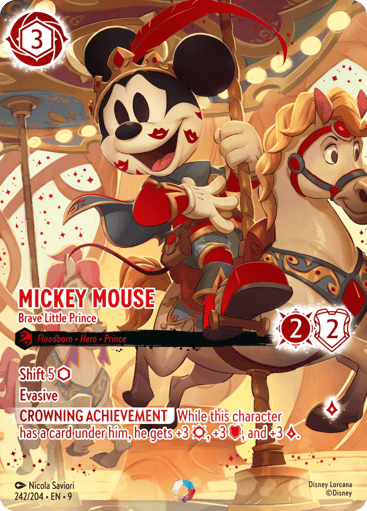
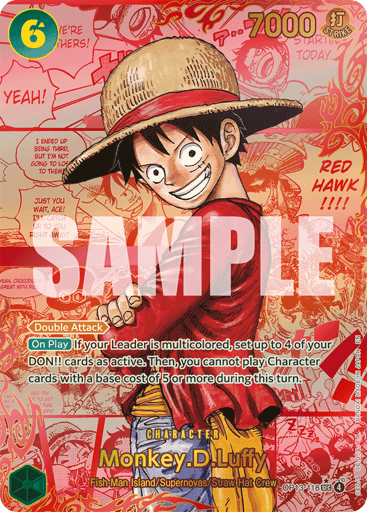
Pokémon, Magic, One Piece, Lorcana, Gundam and Riftbound — six games across one counter. Search a printing, see the exact one you mean and what it's worth, and have it held in your name until you can get in.
Find a cardThe collector loop
Start with the exact printing, carry the moment into a binder you can make your own, then see the club format that gives the collection somewhere to go. Catalogue identity is visible here; stock, dates and availability only exist when the shop records them.
Catalogue
Reference mode
Exact identity is separate from a shop stock promise.
Shop
Ask the counter
A hold or purchase decision belongs to the shop’s own record.
Club
Account + event path
The binder and calendar show the return journey; no attendance is claimed.
The whole counter, not one franchise
Pokémon is one lane, not the whole shop. Every game opens into its own catalogue so a card name never gets separated from the printing, set and collector number that make it the card you meant.
02 / TCGMagicBrowse cards 03 / TCGOne PieceBrowse cards 04 / TCGLorcanaBrowse cards 05 / TCGGundamBrowse cards 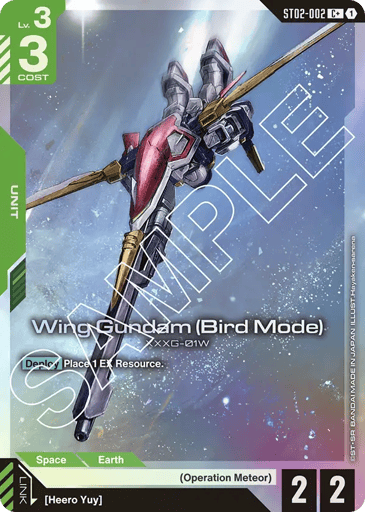 06 / TCGRiftboundBrowse cards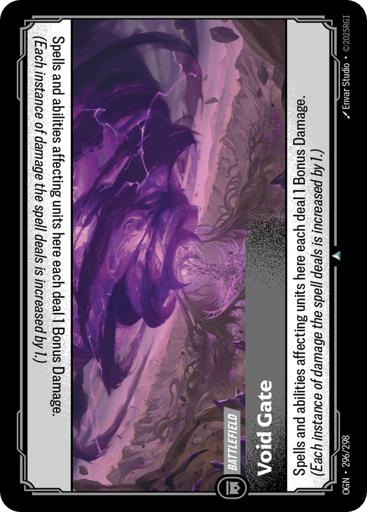
Card images and printing data via Scrydex (scrydex.com), shown only to identify a printing. Pokémon and all respective names are trademarks of Nintendo, Creatures Inc. and GAME FREAK inc. This is a fictional demonstration shop and is not affiliated with, endorsed or sponsored by them.
Card images and printing data via Scrydex (scrydex.com), shown only to identify a printing. Magic: The Gathering and all respective names are trademarks of Wizards of the Coast LLC, a subsidiary of Hasbro, Inc. This is a fictional demonstration shop and is not affiliated with, endorsed or sponsored by them.
Card images and printing data via Scrydex (scrydex.com), shown only to identify a printing. One Piece and all respective names are trademarks of Eiichiro Oda / Shueisha, Toei Animation and Bandai. This is a fictional demonstration shop and is not affiliated with, endorsed or sponsored by them.
Card images and printing data via Scrydex (scrydex.com), shown only to identify a printing. Disney Lorcana and all respective names are trademarks of Disney and Ravensburger. This is a fictional demonstration shop and is not affiliated with, endorsed or sponsored by them.
Card images and printing data via Scrydex (scrydex.com), shown only to identify a printing. Gundam and all respective names are trademarks of Sotsu, Sunrise and Bandai. This is a fictional demonstration shop and is not affiliated with, endorsed or sponsored by them.
Card images and printing data via Scrydex (scrydex.com), shown only to identify a printing. Riftbound and League of Legends and all respective names are trademarks of Riot Games, Inc. This is a fictional demonstration shop and is not affiliated with, endorsed or sponsored by them.
Five real hits, without the false odds
5 catalogue faces to name, inspect and compare before a shop decision is made.
Pull the wrapper down, inspect the card faces, then choose the honest next step: a printing lookup, a binder, or the club path. Five real Pokémon catalogue faces fan open as a Scrydex-powered reference gallery. It is not a pack simulator: no pull rates, sealed contents, shop stock, condition, value or product availability are implied.
3D identity accent by #3D $Resource$ on Sketchfab · CC-BY 4.0
Pull the sealed pack down · watch the real card faces fan out · click to inspect · Tap the pack to pull it down · swipe to fan · tap a card to inspect · Scrydex catalogue card faces and a sealed wrapper reference · display only · not Lantern stock, pack contents, pull odds, condition or value
5 real reference cards · choose one to inspect
Know what you are looking at
Game, set, collector number, language and finish narrow the identity.
Front, back, edges and surface belong to the physical item, not an API result.
Owned, held, unavailable or buylist intake only comes from the shop’s own record.
Source now: Deterministic Neubor fixture — no external API request. Checked 2026-07-16. The independent community catalogue TCGdex may supply catalogue candidates and images. The market check is a separate licensed port (Scrydex): a dated USD guide observation converted to GBP through a published ECB reference rate, shown only when a server-only key and an attested external-display right are both configured. No price is ever guessed, and a GBP figure never appears without the rate, its date and its source.
Counter knowledge, online
Games, releases, holds and how the buylist works—start with the question you would ask across the counter.
Basis: validated tenant truth manifest
Every enabled screen here runs on the real shared platform against this demo's own database. Some capabilities are deliberately held back, and this is exactly which.